Autoimmune

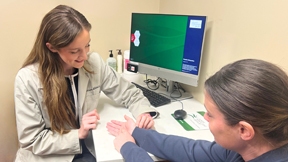
Rheumatoid Arthritist can cause pain in the hands that make even the simplest of tasks difficultRheumatoid Arthritis or RA is a chronic autoimmune disorder that can be very painful. RA causes inflammation of the joints which can lead to stiffness and swelling in the affected area. The key to slowing the progression of the disease is recognizing the symptoms and getting treatment as early as possible. Unfortunately, recognizing the symptoms can be tricky as RA may have periods of remission and during those periods there will likely be no symptoms. The key is to listen to your body and not ignore the symptoms.

Numbness or tingling in the hands

One of the most common symptoms of RA is numbness or tingling in the hands. The inflammation compresses the nerves which may cause pain in the wrist area or the hands. Carpal tunnel syndrome is a known condition that affects the wrists and hands and also may be an early sign of Rheumatoid Arthritis.

Morning Stiffness

Morning stiffness is a common complaint of people with RA. The joints are usually very stiff and may have limited range of motion in the morning and then loosen during the day with movement and activity.

Joint Pain

Rheumatoid Arthritis can affect many areas of the body but pain is often directly related to joints. The numbness and tingling in the hands is a common area affected, but pain may be felt in the knees, elbows, shoulders, jaw or neck.

Fatigue

Fatigue by itself is not enough to classify it as a symptom of Rheumatoid Arthritis. But constant fatigue in combination with some of the other symptoms, like pain in the joints or tingling in the hands, may be a result of inflammation caused by RA.

Foot Pain

Some people with RA find they have pain in the heel or forefront of the foot as a result of the inflammation. The pain can be such that it stops men from wearing dress shoes or women from heels.

Don’t Ignore the Symptoms of RA

Rheumatoid Arthritis may affect your entire body, but more commonly you will have pain in your hands or joint areas like knees or elbows. The pain or stiffness may be worse in the morning and take you a few hours to feel like you have loosened up.

Remember, individually not all of the symptoms will be good indications of RA, but if you have multiple symptoms, that may be a better indication of the possibility of the disorder. Knowing these symptoms may help you recognize the disease early and get the proper treatment. The key is to not ignore the symptoms and to speak with a physician as soon as the symptoms surface.


This information is not intended to provide advise or treatment for a specific situation. Consult your physician and medical team for information and treatment plans on your specific condition(s).

Comments

Do you have pain in your wrist or hands? Do you have stiffness in your fingers that seems to be worst in the mornings? What about numbness in your fingers? All of these symptoms are common with arthritis in the hands. Arthritis in the hands can dramatically reduce the quality of life as not having full usage of your hands can really alter how you do things or stop normal day-to-day activities completely.

What is arthritis of the hand?

Arthritis is a condition that describes inflammation of the joints. The most common form of arthritis is degenerative arthritis, also called osteoarthritis. This form of arthritis in your hands can limit functionality and cause much pain due to the loss of cartilage as it wears over time. Osteoarthritis of the hands is usually experienced later in life as it is a degenerative disease.

What are some of the symptoms?

While there are many types of arthritis many of them have common symptoms. Here are some of the most common symptoms:

  • Pain in hands or fingers
  • Stiffness in hands, especially early in the morning and may improve with day.
  • Swollen joints in hands
  • Hand or wrist may have limited range of motion
  • Affected hand joint may be tender to the touch
Tags , ,
Comments

Osteoporosis is a serious condition that weakens the bones and can lead to increased risk of bone fractures. There are typically no symptoms of osteoporosis until a bone is broken.  If you are interested in learning more about what you can do to prevent osteoporosis, continue reading to find out how you can make some simple changes to your diet and lifestyle to reduce your risk. However, please discuss any changes to your diet with your physician.

Measures to reduce the risk of osteoporosis are based on a healthy diet that is rich with calcium, adequate vitamin D intake, exercise and other healthy habits. The following tips may help you prevent osteoporosis or slow down the development:

  1. Increase your intake of calcium. Calcium and vitamin D are essential for healthy bones. Adequate intake of the recommended daily amounts of calcium is recommended (adults need about 1000 mg of calcium per day), vitamin D can be acquired by exposure to sunlight for 15 minutes (older people who spend very little time outdoors should take extra amounts).
  2. Exercise. Sports in which the bones bear the weight of the whole body (running, walking, strength training, aerobics, jumping over obstacles, yoga, etc...), will help you strengthen your bones.
  3. Change your diet for the better. Calcium, vitamin D and magnesium are important components of the diet, but do not neglect those meals that will give you the energy you need to stay active. Also keep in mind that some habits, particularly those that are salt rich and caffeine can affect the rate of bone loss. Therefore, it is advisable to consult with a physician or nutritionist if you are unsure of the quality of your diet.
  4. Maintain a healthy weight. Being overweight puts added pressure on the bones.
Tags , , ,
Comments

Fibromyalgia causes chronic pain that can become debilitating at times. The pain usually travels from one area of the body to another, sometimes moving multiple times a day. This condition affects about 1 in 50 people in the U.S.  and more women than men. In fact about 80-90% of fibromyalgia patients are women. People who live with Fibromyalgia usually experience chronic and wide-spread pain that can affect the entire body. Managing this painful and debilitating condition takes a proactive and thoughtful approach that starts with understanding the symptoms of fibromyalgia.

The Most Common Symptoms Of Fibromyalgia

Aside of chronic pain and fatigue, people with Fibromyalgia can experience a wide variety of other symptoms including:

  • Headaches and even migraines
  • A poor quality of sleep or sleep disturbances
  • Memory problems that are sometimes call “fibro fog”
  • Stiffness in the morning
  • RLS or restless legs syndrome
  • Numbness or tingling of the arms and legs
  • Sensitivity to bright lights, loud noises, and changes in temperature
  • IBS or irritable bowel syndrome
Tags ,
Comments

As we have discussed in the past, a rheumatologist can treat a wide variety of diseases and conditions. Many people know that arthritis (both osteoarthritis and rheumatoid arthritis), lupus, and fibromyalgia are best treated by a rheumatologist. What most people don’t know is that these diseases fall into a confusing category called autoimmune diseases. To help clear up the confusion here are some of the more common diseases that rheumatologist treat:

Sjogren's syndrome

A patient with Sjogren’s syndrome might first experience a dry mouth and eyes due to glands and membranes that keep things moist decreasing their production. Later on the patient may begin to experience fatigue, rashes, a dry cough, joint stiffness, and skin dryness.

Scleroderma (Systemic Sclerosis)

Most people think collagen is for beauty treatments, but for patients with scleroderma collagen builds up in their organs and skin. The typical symptoms of scleroderma are loss of hair, sores on the fingers and toes, hardening skin that may get darker or lighter, joint pain,  breathing problems, and digestive issues.

Dermatomyositis

Most commonly seen in women, but not unheard of in men, dermatomyositis can cause a rash, inflammation, muscle weakness, difficulty swallowing, skin and eyelids that become purple, and shortness of breath. The cause of this disease is not clear, but some rheumatologists believe it is caused by a viral infection in the muscles.

Polymyositis

When a patient experiences a chronic inflammation of their muscles that causes their muscles to weaken it may be polymyositis. Most commonly seen in African American women between the ages of 30 to 50, this disease may cause difficulty speaking and swallowing, fatigue, shortness of breath, and increasing muscle weakness.

Tags , , , , , , , , , ,
Comments

Most people who suffer with rheumatoid arthritis (RA) know all about its primary symptom, joint stiffness and swelling. While this is the most common and noticeable symptom it is not the worst problem that RA patients can suffer. While managing pain is an important part of treating rheumatoid arthritis, a rheumatologist will treat more than just that. Any tissue in the body, not just the joints, can be affected by inflammation caused by RA. This means there are some serious symptoms and complications that any person with rheumatoid arthritis should watch out for.


The Serious Symptoms of Rheumatoid Arthritis

Shortness of Breath – The heart’s muscles can become inflamed due to RA. Due to the potential for swelling, patients suffering with rheumatoid arthritis have an increased risk for heart problems including heart attacks.

Numbness & Tingling – Rheumatoid arthritis can cause the connective tissue in the hands and feet to become inflamed. This inflammation can cause impingement of the nerves, which can cause the hands and feet to feel numb or tingle. Worse, the pressure on the nerves can cause permanent nerve damage.

Problems Lifting Limbs – The same problem that can cause the hands and feet to feel numb can also make them difficult to move. This symptom also means there is a potential for not only nerve damage but also for paralysis.

Spots On Your Fingers – The blood vessels around the body can also become inflamed from rheumatoid arthritis. This inflammation can actually stop the blood from flowing to the tissues. That lack of blood flow can cause the tissues to die, which can create red or black spots, usually first seen on the fingers and fingertips.

Tags , , , , ,
Comments

What Is Psoriatic Arthritis?

Psoriatic arthritis is an autoimmune disease that affects some psoriasis patients. Psoriasis is a fairly common condition of the skin that causes scaly red patches to appear almost anywhere on the body. Psoriatic arthritis is related to psoriasis, but the connection between the swelling and stiffness in joints to the skin condition has not been identified yet. According to psoriasis.org, 1 in 3 psoriasis patients will be afflicted with psoriatic arthritis.The reason why people develop psoriatic arthritis is not clear but it is known to be a form of autoimmune disease that causes the immune system to target healthy areas of the body to be targeted for attack. New research is showing that there is a genetic factor associated with the development of the condition. While psoriasis is usually the first to be diagnosed, it is thought that psoriatic arthritis is the first to affect the body.  Occasionally patients who are in remission will see it painfully flare up again later. While there are always worst case scenarios, the majority of psoriatic arthritis cases are fairly mild.

Painful Arthritis Symptoms

As with most forms of arthritis, psoriatic arthritis is chronic and usually worsens as time goes on. Discouragingly, a patient who feels great and clear of the disease, may actually experience a flare up that is worse than the initial onset of the condition. In some cases, many joints can be affected by the disease; but in the worst cases the spine is involved. The pain and stiffness is similar to rheumatoid arthritis, with joints that feel hot and are swollen; most commonly the tips of the toes or fingers are what is affected. In many cases when a flare up of psoriasis occurs, it is accompanied by a worsening of psoriatic arthritis. Some of the more common symptoms are:

  • Fingers or toes that feel like a sausage.
  • Pain in Achilles tendon or the bottom of the foot
  • Feet or hands that are deformed or swollen
  • Pain in the lower back
Tags , , ,
Comments

What Is a Pediatric Rheumatic Disease?

A physician has diagnosed your child with a rheumatic disease and you don't even know what that is. Most simply, rheumatic diseases are usually an autoimmune disorder that affects the bones, joints and muscles. In children, the most commonly diagnosed rheumatic disease, and one the most frequent childhood chronic diseases, is arthritis. There are many other potential and scary sounding diseases and disorders that your child may have been diagnosed with; a few of the other more common and potential pediatric rheumatic diseases include:

  • Lupus (systemic lupus erythematosus)
  • Juvenile idiopathic arthritis
  • Rheumatoid arthritis
  • Reactive arthritis
  • Kawasaki's diseases
  • Fibromyalgia
  • Vasculitis
  • Juvenile Dermatomyositis
  • Scleroderma
Tags , , , , ,
Comments

Rheumatology is a very specific specialty that is part of the much broader internal medicine field. Recently this field has seen rapid change due to rapid technological and scientific advancements as well as an expanded focus on researching immunology. These advancements have caused the medical field to realize that a majority of rheumotological illnesses are actually caused by an autoimmune disorder. This has opened up many new avenues of research as well as exciting ways of treating a patient in a more effective and, in many cases, less invasive methods.

Tags , , , ,
Comments
 
Contact Us Today!
Please fill out the form below and an IBJI Representative will contact you.

Asterisk (*) Indicates Required Field

Name*:

Phone Number*:
   

Email*:

Preferred Contact:

Email
Phone

Are you a current patient?*
 Yes  No

Location:

Reason for Visit:

Interpreter available upon request.

Patient information is kept strictly private.

To add details about your visit, please use our secure form.

Archive:

«<» >
May 2013
SMTWTFS
 1234
567891011
12131415161718
19202122232425
262728293031