

Common Foot and Ankle Injuries
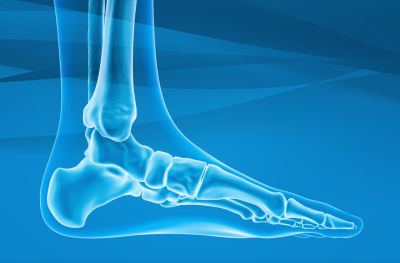
In this episode of IBJI’s OrthoInform, host Dr. Eric Chehab is joined by foot and ankle specialist Dr. Akshay Jain to discuss common foot and ankle injuries seen every day. They break down ankle sprains, Achilles tendon injuries, fifth metatarsal fractures, Lisfranc injuries, stress fractures, and turf toe. Dr. Jain explains how these injuries happen, treatment options, recovery timelines, and when surgery may or may not be needed. A helpful, patient-focused conversation designed to educate listeners on how to recognize injuries and get back to moving safely.
Hosted by Eric Chehab, MD

Episode Transcript
Episode 37 - Common Foot and Ankle Injuries
Dr. Chehab: [00:00:00] Welcome to IBJI's Ortho Inform. We talk all things orthopedics that help you move better, live better. I'm your host, Dr. Eric Chehab with Ortho Inform. Our goal is to provide you with an in-depth resource about common orthopedic procedures that we perform every day. Today it's my pleasure to welcome Dr.
Akshay Jain, who will be speaking about common foot and ankle injuries that we see every day. So actually, welcome to IBJI ortho inform.
Dr. Jain: Yeah. Thanks for having me.
Dr. Chehab: So tell us a little bit about your background, where you're from and, your interest in orthopedics, where you did your training.
Dr. Jain: Yeah. I was born, and raised here in Chicago.
, Did my medical school and, um, undergrad here at University of Illinois, Chicago. , And uh, then I went to Indiana University for my residency, uh, in orthopedics and then, uh, the hospital for special surgery in New York for my fellowship. And orthopedics wise, it was, . Once I entered medical school, I didn't, think I was necessarily gonna be a surgeon.
I was thinking more medicine. But as I went through the rotations, the surgical specialties really were appealing to me, uh, and the mentors that I found there. And then I ca I came across orthopedics in a rotation and just loved it, loved [00:01:00] the team, loved working with it, loved working these injuries, getting people better, quicker.
And that kind of gravitated me to, to orthopedics and pursuing that as a field.
Dr. Chehab: And then your fellowship is in foot and ankle surgery. What was your interest in foot and ankle? How did that develop?
Dr. Jain: Yeah, similar again, when I entered residency, foot and ankle wasn't on my radar, um, necessarily as a specialty.
But, um, as I went through the residency, you notice foot and ankle just being a part of every single specialty, whether it's pediatrics, ports, trauma, or, um, joints. Foot and ankle is ever present. And then, uh, I met a mentor, in my third year who I got to work with and just really opened me up to the.
The future of foot and ankle, especially with replacements and all the technology that's coming. Um, and so it really interested me , and I think there's a bright future for it. And that's how I landed up there.
Dr. Chehab: Not a doubt. , And we share a common training background at hospital for special surgery with, , a lot of the foot and ankle mentors that you worked with were some of my mentors as well.
So Nice to have that in common. Yeah. And it's a great group, , that you worked with.
Dr. Jain: Amazing place.
Dr. Chehab: , And you've been part of Illinois bone joint now for three years, so , you're relatively new in practice, but you have all the latest and greatest techniques, , [00:02:00] that you bring with you from fellowship.
So again, welcome aboard and great to have you here on ortho and form. , So we're here to discuss injuries to the foot and the ankle, and I thought we'd basically take an anomic approach. We'll start with the ankle and work our way down toward in the foot to the back of the foot, to the front of the foot.
, So let's start with probably the most common injury there. Can occur to the foot and the ankle maybe in all of orthopedics is an ankle sprain.
Dr. Jain: Yeah, the ankle sprain is a large part of my clinic on a daily basis. It's the most common injury we see. Um, and for me, the ankle sprain is a lot about education with the patient.
I spend a lot of time educating the patients,, because I do believe there's somewhat of a miseducation of ankle sprains in general. , It's the most common problem. Anyone sees not just a front ankle surgeon, whether it's a primary care physician Sure. Or the er, urgent care. And so for me, a lot of, uh, an ankle sprain with the patient is educating them on, a sprain.
Is an injury to the ligaments. We already know that. , They always, some, a lot of times they'll ask, oh, is there a tear? We know we injure these ankles, but we also know that the vast majority of ankle sprains heal without surgery. And that is the explanation I [00:03:00] give them, uh, ahead of time.
Dr. Chehab: Right up front.
Dr. Jain: Right up front. You know, Hey, a sprain is a tear. We already know that, but we know that these heal. And they scar in and the vast majority of patients go on to do well. , And so, 'cause they'll, they'll ask about MRIs often or maybe even bring MRIs. And I'll explain to them, , early on, we don't need those MRIs.
We, we kind of know what the injury is. And then it's about, the second thing is getting them into rehab as quick as possible.
Dr. Chehab: Yeah.
Dr. Jain: We know that patients earlier, they start the rehab, , proprioception training, um, and different types of modalities, the better their and quicker their recovery's gonna be.
Dr. Chehab: Okay? So you see an ankle sprain, very common. First thing they need to know that, hey, it's gonna heal. And in almost all cases heal pretty much uneventfully. And the most important thing you find is. Rehabilitation, getting 'em moving, getting 'em strong again. Are there different types of ankle sprains that may raise greater concerns than others?
Dr. Jain: I would say yes and no. There really is a spectrum. , And , sometimes if there's, you know, avulsion fractures associated you, there's a bit of a more. A severe element to it. Um, there's obviously grades to the ankle sprain, which aren't necessarily ne needed for [00:04:00] treatment. It just, I, I always tell patients the higher the grade, the sprain, the longer.
We just have an expectation for how this ankle's gonna take. Yeah. And for me, every ankle sprain, um, operates different each individual ankle. It's how the ankle responds to the treatment in terms of their timeline of recovery.
Dr. Chehab: And what about the high ankle sprain? Is that a special category of ankle sprain that.
You may approach differently than sort of quote the standard ankle sprain?
Dr. Jain: I would say yes and no., It's a separate category. , For sure. And a lot of that for me is mechanism. Mm-hmm., When they really get that planted external rotation mechanism, especially in, in sports, and they get that pain up higher.
Near the syndesmosis or the distal leg.
Dr. Chehab: Yeah.
Dr. Jain: , You're looking at a more significant recovery timeline. Um, essentially, but the treatment doesn't necessarily change unless they have some sort of severe instability that's unexpected.
Dr. Chehab: Okay. So most ankle sprains will heal uneventfully without surgical treatment.
Physical therapy is the key. Getting a moving early key. But what about the ankle sprain that. Just doesn't heal uneventfully. What are some of [00:05:00] the typical causes of problems for the ankle sprain that just doesn't seem to be getting better?
Dr. Jain: Yeah, there's, and there's a variety, you know, there, I always say there's a difference between an acute injury, , acute instability and then chronic instability.
You know, I always ask my ankle sprain patients, is this new for you? Do you have a history of sprains? Do you have a history of instability? Have you ever had any physical therapy? The ones that are more chronic. , Where they have many sprains, five plus 10 plus sprains, , or a history of, giving way easily, you have some extra concern for those.
And a lot of the patients that quote unquote fail non-operative management, , for me is, that's at least a good three months of therapy. , They usually have had a history of sprains and issues before a recent injury.
Dr. Chehab: Okay? So the patient who may be considered for surgery for ankle sprains has had a history of multiple ankle sprains in the past.
And so in general, it's not sort of the first time they're presenting. And I also get asked about MRIs all the time. And it's hard to sort of talk people, hey, out of it in the sense that we kind of know the spectrum of injury. Yeah. And it's not particularly helpful [00:06:00] in your treatment and you're basically paying $800 for a study that.
Doesn't really change the treatment or the outcome ultimately.
Dr. Jain: Absolutely. And especially more difficult in patients that come with the MRI already ordered by another provider. Because if you look at those MR MRI and you read those reports, it would scare anybody. Right? The number of the things that they're saying, this is torn.
That's torn. Right. And so, so much of that is education and saying. We know this, but we know that the majority of patients go on to do fine. And so getting 'em to understand that as well as really buying into the therapy ahead of time, saying, this is the crucial portion of the treatment that's gonna get us better.
Dr. Chehab: Are there any times where you might restrict their weight bearing? 'cause that obviously. As a little bit more of a hardship on the patients?
Dr. Jain: Yeah. For an ankle sprain, generally I try to restrict the weight bearing as little as possible.
Dr. Chehab: Got
Dr. Jain: it. , For me, uh, I'm dispensing a cam boot if they really are unable to put any weight on it.
Okay. And we wanna just get them walking the sooner they're out of the boot. Into rehab, the better the recovery's gonna be.
Dr. Chehab: Okay. So I think that covers ankle sprains. Yeah. And, the, so lets will move [00:07:00] down on the foot. Let's go to the Achilles, um, the dreaded Achilles injury. , Tell us, what happens generally with an Achilles injury?
. What your treatment algorithm is. There seems to be a little bit more, , options for patients who injure their Achilles than, for instance, when I was coming out of training. So let's, let's go through that a bit.
Dr. Jain: Yeah. With your Achilles injury, you know, it's your planted foot and kinda that eccentric load that's placed on it that causes that rupture, right.
Of the tendon. And
Dr. Chehab: so what do you mean by eccentric load?
Dr. Jain: Where they have a, planted foot and so basically the tendon is at its longest. It's going to be, and it then takes a force at that length causing a, lot loss in the tension and a rupture.
Dr. Chehab: Okay.
Dr. Jain: Yeah. And so, you know. Ankle Achilles injuries have really evolved over time in the way we treat them as well.
, In the past we were really only operating maybe more so on athletes and younger patients,, but these days it's very much changed with the advent of new technologies as well, you know, minimally invasive techniques to fix it. But for me, the Achilles injury is all about. Tension and time to presentation.
, We know from studies that if the patient's presenting in the first [00:08:00] 24 hours really, but even up to 48 hours and they get the appropriate treatment, uh, which is non-weightbearing in a plan R flexed splint, cast, or boot, then those patients are eligible for non-operative treatment in the sense of studies show equivalent outcomes to surgical repair.
But after that, we really start to worry about the tension of the Achilles.
Dr. Chehab: So when you mentioned plantar flex boot, , they, their toes are pointed to the ground. They're, foot's in a tiptoe position.
Dr. Jain: Correct. I give them a cam boot with, uh, four wedges in place to really allow that foot to be plantar flexed in the boot.
Not, not neutral in the
Dr. Chehab: boot. Yeah. Okay. And so, um, that reestablishes the length of the Achilles , and reestablishes, the tension of the Achilles so those patients can, , not uncommonly be treated non-operatively. Are there circum circumstances where. That all has happened appropriately.
But you would still do surgery?
Dr. Jain: Well, I offer wait as long as the patient's, you know, healthy from a medical comorbidity standpoint, if they're active, um, reasonably active [00:09:00] lifestyle. I always offer both, and I talk about the risks of benefits of both those patients that I just mentioned are reasonable candidates for non-operative treatment for an equivalent outcome from what we know from our literature.
But at the same time, there are risks and benefits to surgery and no surgery, which I'll usually. Discuss with them and offer both.
Dr. Chehab: Okay.
Dr. Jain: Versus if someone presents outside that window with poor tension. Now you're kind of explaining some of the additional risks with non-operative treatment, such as the tendon healing with poor tension and having issues with endurance strength and push off strength that can be difficult to fix later down the line.
Dr. Chehab: Got it. Um, so what are the advantages of surgical repair?
Dr. Jain: , Surgery is all about tension. That's what I say to them. Tension. It's about reestablishing that tension and sowing the tendon at that maximum tension to limit the chance that it heals loose or long, and with poor tension, preventing that issues with, uh, endurance and, and push off strength that we can see down the line with , a loose tendon.
Dr. Chehab: Okay. And with non-operative treatment, , what's your treatment? , Progression. So you put 'em in [00:10:00] a, they're in a boot within the first 24 to 48 hours with their foot bent forward. Plantar flex. Yeah. Bent down. So in the plantar flex position. And so walk us through what, um, that treatment typically looks like for a patient.
Dr. Jain: Yeah. If we're going with non-operative treatment, I generally am allowing for early weightbearing in that plantar flex position. You know, we,
Dr. Chehab: so when is that
Dr. Jain: usually immediately? Yeah,
Dr. Chehab: like, right, like day, day three or, yeah. After the injury or
Dr. Jain: after the injury. Uh, when they see me, I'm letting them put weight on it in the boot in a plantar flex position.
, Early on, and the earlier we get them, it,, early functional rehab is what all the studies are kind of showing. The earlier we get. Them weight-bearing and into functional rehabilitation on ly, we see better outcomes with those patients. So
Dr. Chehab: how long do you keep 'em plantar flex for then in the boot?
When they're beginning their weight-bearing, when do they start coming out of that position?
Dr. Jain: Yeah, so my general protocol is the first two weeks I'm kind of having them. Weightbearing in the boot with the wedges at all times. And then around week four I'll start having them remove a wedge at, each week.
So they'll [00:11:00] generally tend to be in the boot for about eight to 10 weeks after that.
Dr. Chehab: So, but by about eight weeks they're walking with a flat foot
Dr. Jain: around there.
Dr. Chehab: Okay. Yeah. So that Achilles tend, is actually healing pretty quickly then during that time?
Dr. Jain: Yes. Yes. Yeah, it is. But , it's all about a gradual. Uh, uh, workup to neutral while at the same time, getting the rehab process and early weightbearing started early.
Dr. Chehab: And what about with,, Achilles tendon repair surgically? What's your typical postoperative recovery? Are those patients being moved any more quickly? It doesn't sound like they could be moved more quickly, but I.
Dr. Jain: Yeah,
Dr. Chehab: because that's pretty quick. Excuse me. With the non-operative treatment.
Dr. Jain: Yeah, and that's where, you know, it's a little bit more of a less of a consensus in that, you know, I tend to be a bit more on the conservative side.
I do about two to four weeks of non-weightbearing. It's oftentimes closer to four after surgery, and then they start weight bearing in the boot with the wedges for four weeks, and then we start removing a wedge each. Each, uh, week, , until they're out of the Budd, about 10 to 12 weeks after that.
Dr. Chehab: Okay.
Dr. Jain: Yeah.
Dr. Chehab: And then from start to finish with non-operative treatment, what's the typical timeline for patients to be getting back into their recreational lifestyle?
Dr. Jain: Yeah, and so that's where I think of it with [00:12:00] Achilles, kind of like short term, medium term, long-term recovery, right? The short term is where you're protecting that tendon.
You want it to heal. We wanna limit the chance of re-rupture, losing tension, and that's really the first three months for me. Then three months to six months is where I think the meat of the physical therapy is done. You're getting out of the boot and we're really ramping things up at that point. So most patients are starting to get into general, uh, return activities in that four to six month range.
But we know, especially for elite sports activities, this is more of a nine 12 month recovery kind of from that standpoint.
Dr. Chehab: Either way, with operations or without
Dr. Jain: the protocols for post. Rehabilitation are almost the same for non-operative and operative I, I tell patients that with Achilles, my job is almost half the job surgically is just to repair that tendon and to reestablish the tension then, and then
Dr. Chehab: plug you back into
Dr. Jain: the tension, then plug you into the protocol, which is almost the same for both.
Dr. Chehab: Yeah, for
Dr. Jain: both. Great.
Dr. Chehab: Okay,, let's move down in the foot, from the ankle and, the fifth metatarsal super common injury. Tell us what the fifth metatarsal is, , what type [00:13:00] of injuries you see around there and, um, and how they're typically treated.
Dr. Jain: Yeah. The fifth metatarsal is our lateral most, uh, metatarsal bone in our foot.
On the outside of the foot, oftentimes you will see
Dr. Chehab: what, just for the listener, what is the metatarsal?
Dr. Jain: The metatarsal is, and in some ways you can think of it as , the toe bone, but it's the main bone in the foot that connects, , the base of the foot to the toes.
Dr. Chehab: Okay.
Dr. Jain: Which are then the phalanges, so
Dr. Chehab: that's spanning bone in between the longest bones.
The
Dr. Jain: longest bones in the foot, yes.
Dr. Chehab: Okay. Yes. Alright. And so the injuries to the fifth metatarsal
Dr. Jain: Yes. Injuries to the fifth metatarsal. A lot of times you'll, they, and they come in a wide spectrum. We talk about zones when we talk about fifth metatarsal, and a lot of it depends on the mechanism. Um, oftentimes with a sprain, that's the same mechanism that you'll see a type one fifth metatarsal fracture, usually.
Dr. Chehab: So like an ankle sprain. Mechanism can also lead to a fifth metatarsal injury.
Dr. Jain: It's oftentimes the same mechanism. Correct. Okay. Whether,, and they may or may not have broken that fifth metatarsal, and then the conversation really becomes regarding where in the metatarsal did they break it? And that really has to [00:14:00] do with the blood supply to this bone.
, There's three zones we talk about kind of going from. Back to front, I guess you can think of it. Um, or
Dr. Chehab: so going from heel to toe?
Dr. Jain: Yes. Going from heel to toe and the blood supply comes into the metatarsal from the ends. So the fractures in zones one or three, which are at the ends, tend to heal, be tend to heal best because they have good blood supply.
The one we worry about is that small area in the middle called zone two, or if referred to as a Jones fracture, where we worry about the healing potential 'cause of the blood supply.
Dr. Chehab: So can those fractures heal naturally without surgery? The Jones fractures.
Dr. Jain: Jones fractures can, again, we, because we have concern for, the healing process, we tend to be much more conservative with them.
Um, the, you know, historically it was like six to eight weeks in a cast. These days we're starting to advance their weight bearing earlier and in protected weight bearing more often. But it's the same thing as within an Achilles in terms of a conversation regarding surgery or no surgery.
Dr. Chehab: Yeah.
Dr. Jain: And a lot of it depends on the patient's age, activity levels, lifestyle, comorbidities, whether or not [00:15:00] we're discussing surgical treatment for that.
Dr. Chehab: Okay. And so, um, you mentioned they weightbearing earlier about how instead of eight weeks, about how much earlier to get 'em weight-bearing with a Jones fracture?
Dr. Jain: For me, a lot of it depends on their age and functional levels. Okay. If this is , a much older individual, it's very hard for them to be non-weight-bearing for six weeks in a cast.
Yeah. And they have a much lower functional demand there. So a, a lot of the times I will allow them to start weight bearing in a boot early on. And I found that those patients do well.
Dr. Chehab: And with the younger athlete.
Dr. Jain: And with the younger athlete, that's when we are, we're having a conversation regarding surgery or no surgery.
Because, you know, with surgery, we do seem to be able to get them walking quicker as well as back to sport quicker. And there is some evidence that those will heal with a higher union rate. , But if, if we're doing non-weight bearing, I generally will keep them off the foot for six weeks.
Dr. Chehab: Okay. Okay. And then the surgical techniques, a screw that goes inside the bone or a plate that goes outside the bone., What's the, the most common has always been the screw, correct? And how well does that work?
Dr. Jain: Um, it works really well, that generally is how we're treating the vast majority of Jones [00:16:00] fracture surgically is with a screw placed, down the bone, of a reasonable size to allow that to heal and to give that stability.
Dr. Chehab: So right in the middle of the bone. So it was like an internal cast within the bone. You put a small screw. It's not a big surgery, obviously no small, like a percutaneous type.
Dr. Jain: It's done mainly percutaneously and it's all about, getting that screw down the shaft and, and providing a reasonable stability there.
Dr. Chehab: And is there any, I I saw some presentations recently on plating. There's been some, , recent interest in plating for Jones fractures. Do you have any thoughts on that?
Dr. Jain: Yeah. There, there's, it's always a, conversation with the bio mechanical conversation. You know, a plate provides a certain level of rigidity.
Talks of,, plates that are more plantar because of the biomechanical effect around the bottom of the foot. Yeah. But generally, especially in that area, plates can be bothersome. This is a side of your foot and generally aren't necessary. Um, so the screw generally works really well unless there's, a lot of.
Combination meaning the bones in a lot of pieces that won't accommodate a screw or something like that.
Dr. Chehab: Yeah. Okay. So screw being the most common.
Dr. Jain: Yeah.
Dr. Chehab: Way of, of treating that. And then the other common type of fifth metatarsal injury, um, is [00:17:00] the pseudo Jones fracture, which is a little bit more closer to the heel and then the dancers fractures, which are closer to the toe.
Let's talk about the pseudo Jones briefly. What do you see with that? How do you treat that?
Dr. Jain: Yeah, the pseudo Jones. So that's the one that's more, . At the, in the proximal aspect or by the heel. And that's the one you see most commonly with the ankle sprain mechanism, a type one quote unquote, , fracture.
And those patients, , very reliably heal without surgery and they're able to start walking in a postoperative shoe or bu immediately.
Dr. Chehab: Okay.
Dr. Jain: Yeah.
Dr. Chehab: And what about dancers fractures? Those used to be treated operatively, and then I think Dr. O'Malley from HSS did a lot of work where. He started treating him non-operatively and they did just as well.
Dr. Jain: Yeah, that's correct. Those fifth metatarsal shaft fractures, , they heal very well. Sometimes even you're looking at the fracture, you're like, how is that gonna heal? But they almost very always reliably heal Well, and it's the same treatment, getting him weight bearing right away in a protective shoe or boot.
But the fifth metatarsal has a really high capacity to heal in those areas.
Dr. Chehab: In that area. Yeah. So that's farther down. The bone towards the toe.
Dr. Jain: Correct. More in the, what we call the shaft or [00:18:00] the main portion of the metatarsal versus at the ends.
Dr. Chehab: Got it. Yeah. Got it. Okay. Yeah., So we've covered the Jones fracture, which is the most problematic of the fractures of the fifth metatarsal, the pseudo Jones fractures, which.
Almost invariably heal and heal well with non-operative treatment and can be treated, allow patients to weight pair early on. And likewise, the dancers fractures that also heal very, very well without the need for prolonged non-weight-bearing. People can weight pair pretty early on in protective shoe wear, essentially, whether it's a boot or a cashew, um, or even maybe their own.
Set of sneakers, you ever let people just kind of go right in their sneaker or,
Dr. Jain: um, I generally with the fra, if there's a fracture, excuse me, even if there's a type one or type three, I, I generally like to protect their weight-bearing at least for a few weeks.
Dr. Chehab: Okay.
Dr. Jain: , Just to take the load off, uh, off the bone and, and you don't want any further displacement, especially if it's a shaft fracture
Dr. Chehab: so they're not weight bearing right away or to their tolerance or
Dr. Jain: they're weightbearing as tolerated right away in a protective shoe boot.
Dr. Chehab: Got it. Yeah. Okay. Okay. So let's move a little bit now towards, um, [00:19:00] um, the midfoot region and talk about Lis Frank. Anybody who follows sports will, , have heard of an athlete having a Lis Frank injury, but a lot of us don't dunno what it is. So can you explain what a Lis Frank injury is?
Dr. Jain: Yeah, LIS Frank is basically a midfoot instability issue.
, And, and usually the mechanism is when you have a planted foot. And then it it your, to, you go up on your toes and then there's an axial load, meaning coming down the length of that., And then all the energy concentrates in the midfoot causing damage to the lis frank ligament, which then can lead to instability.
Dr. Chehab: So where is the Lis Frank ligament?
Dr. Jain: , The Lis Frank Ligament's in the, in the midfoot. It's attached from the medial cinea formm to the base of the second metatarsal. So it's kind of an oblique ligament on the bottom of the foot, and it's the strongest ligament in our foot, which is why it's such an essential ligament.
It almost like the ACL of the foot in some ways.
Dr. Chehab: So it's towards the big toe as opposed to the little toe on that side of the foot, on the inside zone of the foot. The ligament there gets disrupted by this mechanism of injury where the foot. Basically bent, and then it gets loaded, [00:20:00] and then it disrupts the ligament.
And how do patients present with that? What do they feel? Are they able to walk? Are they limping or are they, are they unable to put any weight on it?
Dr. Jain: Yeah, it's extremely variable. Lisfranc is a really wide spectrum of injuries. It ranges from no. Bony injury and more of a sports list, frank injury, which are very, very easily missed.
And so there needs to be a high, a level of attention to that, to obviously your very traumatic list francs where multiple bones are broken and there's dislocation and that's obviously a, like such with a higher energy injury, a very different type of lis frank injury. Yeah. Um, and so their presentations will vary from that either as well, like sports list, frank injury, they may walk into the office, but it causes pain, whereas, of course, a very severe li Fra fracture dislocation.
Almost presents more of like a severe ankle sprain where they can't put weight on it, they're in a splint, things of that nature.
Dr. Chehab: Yeah. And what are the treatment options for patients with Lis Frank injuries? I guess that for the presentations wide and varied, so are the treatment options. So walk us through some of the treatment options for Lis Frank injuries.
Dr. Jain: Yeah, and that's where it's really about, a little bit [00:21:00] about getting in the weeds in terms of what injury it is. You know, if there's a high energy injury with. Multiple bony uh, injuries and dislocations. Then that's a surgical injury oftentimes from the start because of severity of the injury. Yeah.
Versus the, what I call sports list frank injuries where there isn't clear fractures or dislocations there, you're really. Honing in on how much pain is the patient in, where is the pain, and then you kind of need to prove whether it's unstable or not. And there's a variety of ways to do that, but it's really about having a high alertness about concern for the Liz Fra.
Dr. Chehab: So how do you determine the stability? What do you do actually,
Dr. Jain: so the key in, in, in foot injuries in general is trying to get a weight-bearing X-ray. You know, a lot of the places you'll see x-rays done, uh, of the foot at outside places and they're not weight-bearing. And all the x-rays I get in clinic.
It's weightbearing unless they're truly not able to do it.
Dr. Chehab: So even though they may hurt you encourage patients to get, I do too. Encourage patients to get x-rays with as much weight as they can possibly put on it.
Dr. Jain: Correct. Okay. That's gonna put stress to that foot. And then if you [00:22:00] see even a little bit of that widening at the, at the end list, frank interval quote unquote, then you have concern for an unstable injury.
But there's other ways to e uh, evaluate the instability, especially if patients have too much pain to put weight in the beginning. Yeah. Um, you know, there are. MRIs, if there's concern for a bone injury, a ct, you can do stress examinations in the office, , or in the operating room. To try and see if it's unstable.
Or in another simple way of doing it, if they're not just not able to put a lot of weight in the beginning is you bring 'em back. In a week or so, once the inflammation has calmed down, and then get a repeat weight bearing X-ray when they're able to put more weight. And that way it's early enough where if there's instability, it's not too late to do something at that point.
Dr. Chehab: So which of the list frank injuries would you treat without surgery and bracing and footwear, and which would you treat with surgery?
Dr. Jain: It all
Dr. Chehab: has, is it stable or unstable?
Dr. Jain: It's all about st stable or unstable. Yeah. If we're comfortable with the imaging and stressing we have of that foot that there's no, there's some markers we look for in terms of the x-rays and [00:23:00] alignment that if doesn't look like there's instability there, then we can treat it non-operatively potentially, versus signs of instability.
May lead us the other way.
Dr. Chehab: Okay. Um, so I think we covered list frank injuries. So if, for people who have a list, Frank injury and they're treated with bracing and non-operative treatment, how long do they typically require for recovery? What's their recovery timeline look like?
Dr. Jain: Yeah, I think if it's, if it's a stable list, frank injury, you know, generally I'll let 'em, I'll let 'em weightbearing in the boot for about six weeks and then they'll start to come out of the boot and begin physical therapy.
And so somewhere in that 10 to 12 week range is when they're starting to feel more normal.
Dr. Chehab: And what about the postoperative patients?
Dr. Jain: The postoperative patients? Again, that really depends on what. Injury. They had low energy
Dr. Chehab: postop,
Dr. Jain: a low injury postop patient. They won't be putting weight on it for six weeks.
Yeah. And then they'll be in a boot for another four weeks. So you're usually weightbearing out of the boot around that 10 to 12 week mark. Yeah. It's a long recovery. It's a long recovery. Yeah, exactly. Yeah. Yeah. That's the challenge with foot injuries in general, um, is that we, we walk on our feet and ankle, we run on our feet and ankle, and [00:24:00] so almost every injury or surgery requires this weight-bearing accommodative period, which is, which is a challenge in itself.
Dr. Chehab: Yeah. , Completely. And then let's shift a little bit more towards the middle,, to the central portion of the foot, but still in the forefoot region with the metatarsal. And what are some of the common injuries you see to the metatarsals?
Dr. Jain: Yeah, I think one of the most common injuries I see to the metatarsals is mainly when we talk about stress reactions, right?
I get a lot of patients in clinic that just come in with. Generalized pain in the foot, and it may be related to a sudden increase in activity. They were doing a lot of walking, a change in shoe wear or in athletes such as, you know, cross country athletes, players that are doing a lot of impact where they'll get inflammation in the bone.
And this won't necessarily show up on x-ray, but I call it, it's a stress reaction. Mm-hmm. Um, and in very bad cases that can be a stress fracture and it's oftentimes due to overuse. Um, and in those patients, it's all about. Rest and offloading the foot, um, for [00:25:00] a period of time. And a lot of that for me depends on how long they've been having those symptoms.
, And so I kind of check 'em in every couple weeks. Um, some patients just need a couple weeks of shutting things down and offloading the foot, whereas some patients, need longer and protective, weightbearing and,
Dr. Chehab: and. Okay. Is it, when you say rest, is it crutches? Is it boot? Is it boot and crutches?
I guess it depends.
Dr. Jain: Yeah. So oftentimes it's uh, same thing. Either a boot or shoe to protect the weight bearing. Yeah., They can usually walk in that. But rest a lot of is about trying to limit the weight bearing that we're doing and only doing protective weight bearing when we are doing it weight bearing and.
Not doing activities such as sports or going to the gym in that period of time while we're resting it.
Dr. Chehab: What if a stress reaction or a stress fracture goes unrecognized? What are the, um, outcomes from that?
Dr. Jain: Oftentimes it's just that they'll have an extended period of pain, um, if they've just been walking on it without any protection, without any diagnosis, if.
It's just not getting better because they haven't had a chance to get off of it and protect it. And so it usually just ends up being a bit of a delayed recovery because then you're just starting the protection [00:26:00] late.
Dr. Chehab: Yeah.
Dr. Jain: Um, but general, the, for, depending on where the fracture is in the foot, different stress reactions or stress fractures have a higher or lower healing potential.
Yeah. And so it's also about evaluating what bone is involved.
Dr. Chehab: Yeah. Is it common to do surgery for any stress fracture of, of the foot in the metatarsals uncommon?
Dr. Jain: I would say generally it's uncommon for most stress injuries of the foot we're able to treat them non-operatively unless they continue to struggle with symptoms and healing for an extended period of time of non-operative management.
But the vast majority of them heal without surgery.
Dr. Chehab: Okay.
Dr. Jain: Yeah.
Dr. Chehab: And then finally, , another common foot and ankle injury is to the great toe and,. People talk about turf toe and I think there's a poor understanding of what it's, so can you describe what turf toe is, how it happens, and what it presents, , to your, how do patients present to your office with a turf toe injury?
Dr. Jain: Yeah. Turf toe is a unique injury and also has a wide variety of presentations. Um, we're starting to see 'em more and more as you've got these athletes playing on these. [00:27:00] Turf type fields with their, the cleats that they're playing. And then the mechanism is very similar to the lisfranc. It's that planted, , foot that is you're just getting up on your big toe, um, and getting an axial load through there that then causes that, that energy to be transmitted and affects the ligament is complex of the big toe joint.
And that what is, what becomes unstable from, injury to that ligamentous complex.
Dr. Chehab: And is that ligament. Injury on the top of the foot, bottom of the foot. Where do you typically have the
Dr. Jain: injury? It's generally the bottom,, of the foot. The plantar plate will oftentimes be involved, , plus or minus, uh, ligaments on the side.
Yeah. Um, that cause that injury. Yeah.
Dr. Chehab: Okay. And what are the treatment options for patients who sustain a turf fill?
Dr. Jain: And, that's also again regarding the presentation almost. The vast majority of them we can treat without surgery. A lot of it depends on the grade of injury and the severity of the injury, with a very severe injury or a grade three injury and a high level athlete, um, uh, such as Joe Burrow had that injury this year.
Yeah. Um, in some cases we'll do surgery to stabilize that joint early, [00:28:00] but the , vast majority of them are treated without surgery.
Dr. Chehab: W was Joe Burrow's foot operated on to help him get back more quickly? Was that one of the, um, reasons to have the surgery or obviously you don't know the details, but Yeah.
What would be some of the reasons for the surgery?
Dr. Jain: Yeah. I don't know the exact details of his specific injury. But if the, uh, uh. Ligamentous complex was damaged so severely that there's, uh, that there's clear, severe instability to that toe, you know, retraction of the moid bones. Certain things that we're looking for on imaging, then that can lead to a surgical decision as well as he's a professional athlete and oftentimes we're able to get them back to sport and get the recovery started.
Quicker with surgery in only those very severe cases. Yeah, but a turf toe is, I always tell patients it, it kind of has a benign sounding name, turf toe. It's a severe injury, and patients are always surprised by how long it really takes to recover from that. Without surgery or with surgery.
Dr. Chehab: Sure. I mean, the cases of famous athletes careers have been shortened or ended by turf toe injury.
So like you said, it has this [00:29:00] benign sounding name, but significant consequence. What's the reason for that significant consequence?
Dr. Jain: Well, so much of what you do is, . In sport or in general life is, is done through that big toe. The, the medial side of the foot, or the first ray, as we call it, is the foundation of that foot.
And as the first ray goes, everything else goes. So if there's instability in that first ray, then you can't plant, you can't do anything on that foot that you need to do most things, especially in sports.
Dr. Chehab: So no planting, no push off, no explosion. You just lose that. When you don't have that first ray intact,
Dr. Jain: you lose all of it.
Yeah. And you know, Joe Burrow, I think spoken, , extensively about it where you just can't plant that foot and if you can't plant the foot, you can't really step into anything you need to do. Yeah. Um, walking, let alone sports.
Dr. Chehab: Right,
Dr. Jain: yeah.
Dr. Chehab: So we, we took a bit of a toto foot and a toto ankle here, covering the, , ankle sprain, the achilles tendon injury, the fifth metatarsal, the lisfranc, the metatarsal stress [00:30:00] injuries in the turf toe.
If I had to ask you, what's your favorite one of these to treat?
Dr. Jain: Like surgically or non-surgical or in general? Yeah.
Dr. Chehab: Yeah.
Dr. Jain: Just in
Dr. Chehab: general.
Dr. Jain: No, I mean, you know, these injuries are all all very interesting. I, I do like the Achilles injuries because, , these days a lot of the Achilles treatment has evolved and we're able to make much smaller incisions, , to repair the Achilles and get people back of all ages.
You know, it doesn't matter if you're young or old anymore, if you're active and healthy, um, you can do really well after an achilles, uh, surgery. And it, and it's, uh, encouraging to see them do well, especially patients that have heard different things about Achilles. Injuries before they come into the office.
And that are surprised by how they do after.
Dr. Chehab: That's terrific.
Dr. Jain: Yeah. So those are fun.
Dr. Chehab: And those advances have included, um, implants or technique or both?
Dr. Jain: I think it's both. A lot of, I think it's a combination of technique. Um, it's a combination of, uh, technology. There are more minimally invasive techniques now where we can keep the incisions much smaller.
And then really understanding the rehab process a lot more, getting them started earlier using [00:31:00] adjuncts like , blood flow restriction therapy and these other types of treatments that can. Get the healing process going quicker, , especially as we stabilize them, the better. Yeah.
Dr. Chehab: Yeah. Again, my guest today is Dr.
Akha Jain. Uh, Akha, thanks so much for being here and taking the time to be on ortho form.
Dr. Jain: Yeah. Thanks so much for having us. It was, it was great to be here and I appreciate it.
Dr. Chehab: Yeah.
Don't Miss an Episode
Subscribe to our monthly patient newsletter to get notification of new podcast episodes.