Back and neck pain is one of the most common reasons people seek medical attention, and one of the most common reasons they end up in the wrong office. A primary care visit might rule out red flags, a chiropractor might provide temporary relief, and a quick internet search might produce a confusing list of specialists with overlapping credentials and different approaches. Knowing what kind of spine specialist you actually need, and what to look for when choosing one, makes the difference between a clear path forward and months of starting over.
Understand That "Spine Specialist" Is Not a Single Thing
Spine care is delivered by physicians with meaningfully different training backgrounds. Orthopedic spine surgeons complete a surgical residency followed by a fellowship specifically in spine, focusing on the mechanical and structural aspects of spinal conditions. Neurosurgeons approach the spine from a neurological angle, with particular expertise in conditions involving nerve compression and spinal cord involvement. Physical medicine and rehabilitation physicians, sometimes called physiatrists, specialize in non-surgical spine management, including interventional injections and comprehensive rehabilitation planning. Each type of specialist brings a different lens to the same complaint, which is part of why the right starting point depends on what is actually driving the pain.
Match the Specialist to the Condition, Not Just the Symptom
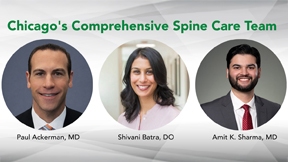
Lower back pain from a disc herniation that is compressing a nerve looks different clinically from degenerative arthritis of the facet joints, and both look different from a spinal deformity or a compression fracture. Before choosing a specialist, it helps to understand which category your problem is likely to fall into. Acute pain that is severe or comes with neurological symptoms like radiating leg or arm pain, numbness, or weakness warrants a faster and more direct path to a physician than chronic aching stiffness that has been building gradually over years. IBJI's spine and back care team covers the full spectrum of spinal conditions, from disc disorders and nerve compression to more complex structural problems, with specialists whose training aligns with each category.
Fellowship Training Is a Meaningful Credential in Spinal Care
Board certification confirms that a physician has met a baseline standard of training in their specialty. Fellowship training, the additional year or more of subspecialty experience completed after residency, is what distinguishes a spine specialist from a general orthopedic surgeon or general neurosurgeon who also treats spinal conditions. For complex or surgical spine cases, seeking a fellowship-trained spine surgeon is the gold standard. IBJI's spine surgeons include fellowship-trained orthopedic and neurological surgeons whose training in minimally invasive techniques, disc replacement, and complex reconstruction reflects a level of subspecialty focus that general training does not provide.
Conservative Care Should Often Come First
A well-qualified spine specialist, surgical or otherwise, will not recommend surgery before a genuine trial of conservative treatment has been completed. Physical therapy, activity modification, anti-inflammatory treatment, and when appropriate, image-guided injections are the foundation of spine care for the majority of conditions. Surgery becomes appropriate when those options have been tried and have not provided sufficient relief, or when a structural problem is serious enough to warrant earlier intervention. IBJI's physical and occupational therapy services are integrated directly into the practice's spine care pathway, making the transition from evaluation to rehabilitation straightforward rather than requiring a separate referral.
Imaging Access and Integrated Spinal Care Matter
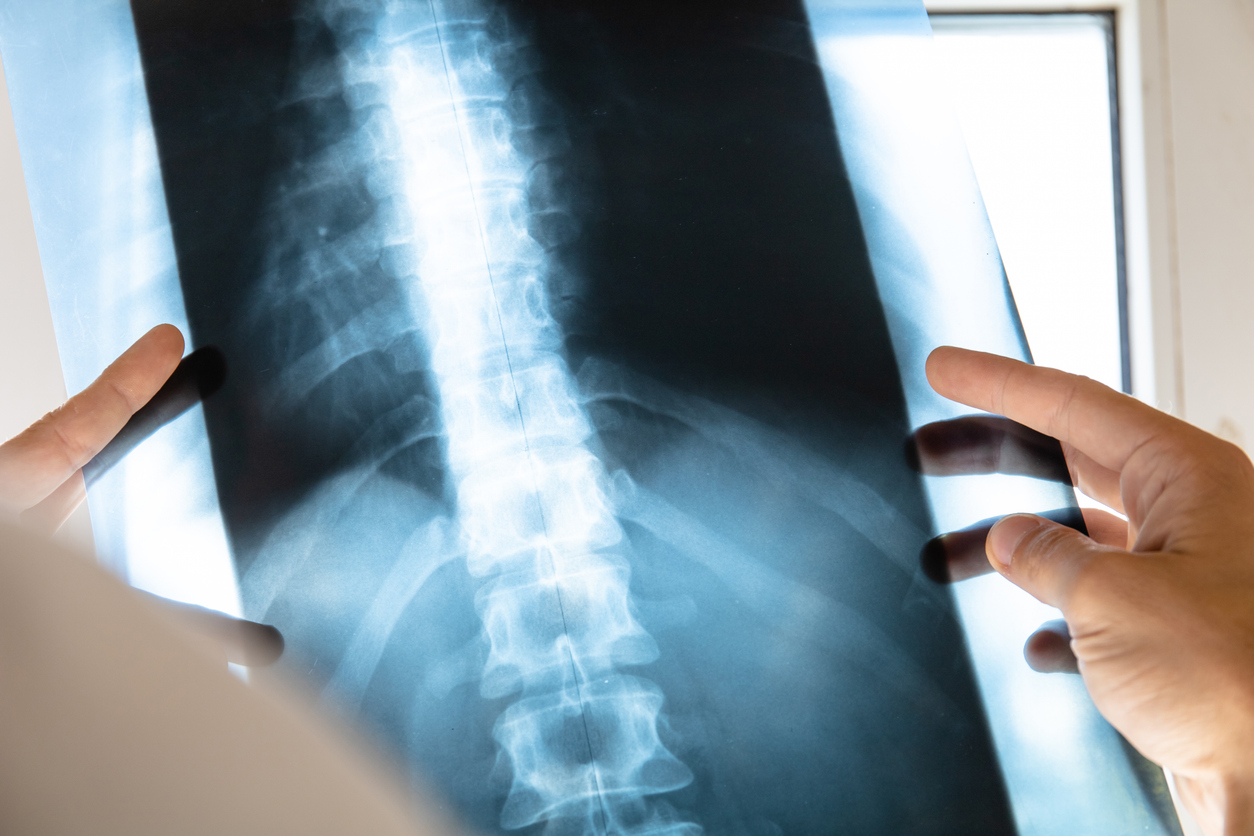
Getting the right imaging at the right time is a critical part of an accurate spine diagnosis, and practices that offer on-site MRI, CT, and X-ray eliminate delays that can otherwise extend the diagnostic process by weeks. IBJI's diagnostic imaging services support the spine care team directly, which means the specialist reviewing your case has access to imaging performed under the same roof rather than relying on outside films of varying quality. For patients who need immediate attention for acute spine-related pain, IBJI OrthoAccess immediate care locations offer same-day orthopedic evaluation without the cost or wait of an emergency room.
How to Find the Right Physician or Surgeon for Back and Neck Pain
Once you understand what type of specialist fits your condition, the practical next step is verifying that the physician you are considering has specific training and clinical experience with your type of problem, not just spine care in general. A surgeon who performs complex revision surgery and a non-surgical physiatrist who manages chronic disc pain serve different patient populations, and being matched to the right one from the start avoids unnecessary delay of care. IBJI's physician finder allows patients to search by specialty, anatomy, and location across more than 100 Chicagoland locations, making it straightforward to identify which specialist's training and focus aligns with a specific spinal condition.
If back or neck pain has been affecting your daily life and you are not sure where to start, getting an accurate evaluation with the right type of specialist is the most direct path to understanding what is actually driving it and what your options are.
Frequently Asked Questions
1. What type of doctor should I see for back pain?
It depends on the nature and severity of the pain. A physiatrist or orthopedic spine specialist is often the right starting point for most back and neck conditions, with a surgical spine specialist appropriate when conservative care has not resolved symptoms or when structural damage warrants earlier evaluation.
2. What is the difference between an orthopedic spine surgeon and a neurosurgeon?
Orthopedic spine surgeons focus on the structural and mechanical aspects of spinal conditions, while neurosurgeons approach spine care from a neurological perspective. Both can treat many of the same spinal conditions, and some cases benefit from a team that includes both.
3. Do I need a referral to see a spine specialist?
This depends on your insurance plan, but many spine specialists accept direct appointments, and large orthopedic practices often make it straightforward to schedule an evaluation without waiting for a primary care referral.
4. How do I know if my back pain requires surgery?
Surgery is generally considered only after a structured course of conservative treatment, including physical therapy and injections, has not adequately resolved symptoms, or when imaging and clinical findings point to a structural problem serious enough to warrant earlier intervention.
5. What should I look for when choosing a spine surgeon?
Fellowship training specifically in spine surgery, experience with the type of procedure or condition you have, and access to integrated imaging and rehabilitation are among the most meaningful factors to evaluate when choosing a spine surgeon.
If back or neck pain has been affecting your daily life and you are ready to find the right specialist, IBJI's spine and back care team is available across more than 100 Chicagoland locations, with same-day appointments through OrthoAccess for more urgent concerns.