Every May, National Arthritis Awareness Month delivers a message that too many people miss: arthritis isn't a foregone conclusion. It's a destination, and the road there is paved with small injuries that were shrugged off, limps that were "walked through," and warning signs that were quietly ignored.
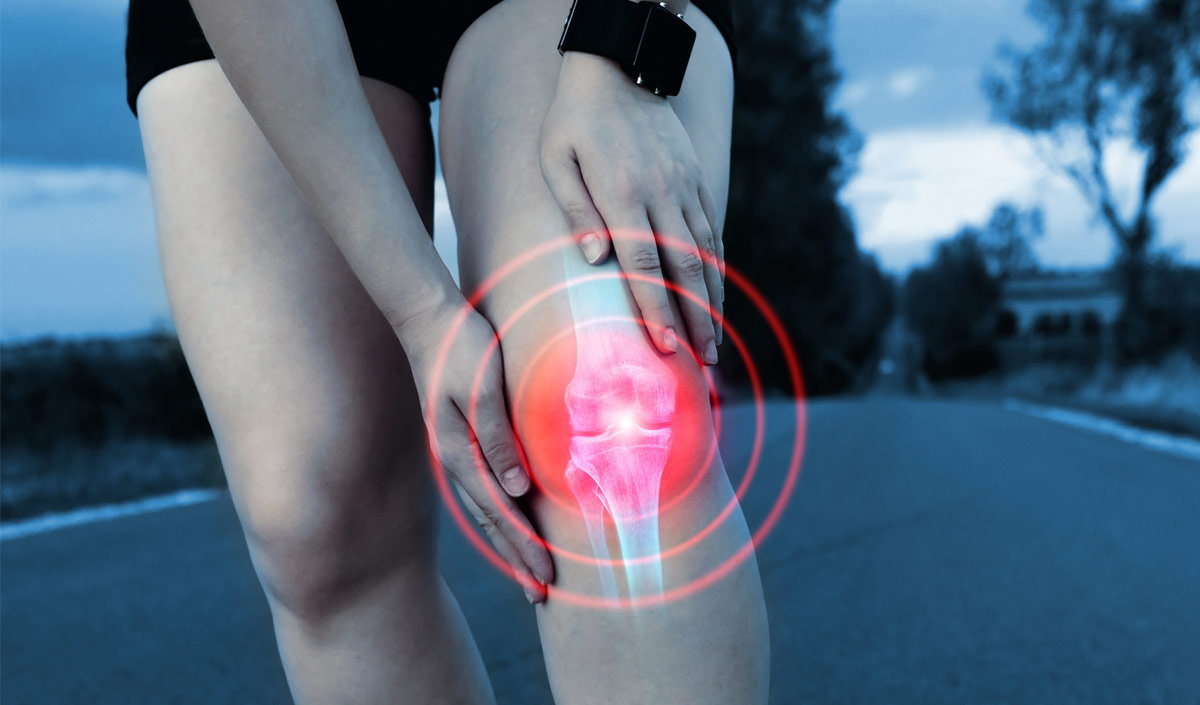
Knee arthritis rarely arrives all at once. It builds slowly, cartilage wearing thin and damage compounding, until what started as a manageable ache becomes a daily negotiation with pain. The good news? There's often a window to act before that progression takes hold.
That's where knee arthroscopy comes in, not just as a treatment, but as a form of joint preservation. Here's what you need to know.
The Benefits of Knee Arthroscopy for Long-Term Joint Preservation
Knee arthroscopy is a minimally invasive surgical procedure in which a small camera, called an arthroscope, is inserted through tiny incisions to visualize, diagnose, and treat problems inside the knee joint. Unlike open surgery, arthroscopy causes minimal disruption to surrounding tissue, resulting in less post-operative pain and faster recovery. More importantly, addressing structural damage early through arthroscopy can slow or prevent the cartilage deterioration that leads to osteoarthritis over time.
How Untreated Knee Injuries Accelerate Arthritis
Left untreated, common knee injuries can sometimes alter the biomechanics of the entire joint. A torn meniscus changes how load is distributed across the knee, placing excessive stress on the articular cartilage. Loose bodies cause repeated mechanical damage with every step. Cartilage defects, if left unaddressed, expand over time. Each of these scenarios creates the kind of joint environment where arthritis develops and progresses more rapidly than it otherwise would.
Common Knee Conditions Treated Arthroscopically to Prevent Arthritis
Knee arthroscopy is particularly effective at addressing several conditions strongly associated with early-onset arthritis:
- Meniscus tears: The meniscus acts as the knee's shock absorber. Arthroscopic surgery, when feasible, preserves this critical structure and can prolong the progression of arthritis.
- Cartilage defects: Focal cartilage damage can be treated with techniques such as microfracture or cartilage restoration procedures that encourage resurfacing of the joint.
- Loose bodies: Fragments of bone or cartilage floating in the joint cause ongoing damage; arthroscopic removal eliminates this source of accelerated wear.
- Patellar cartilage damage: Damage to the cartilage behind the kneecap can cause significant pain and joint dysfunction, both of which can be addressed arthroscopically to restore smoother patellar tracking.
What to Expect During Knee Arthroscopy Rehab and Recovery
Recovery from knee arthroscopy is generally faster than from open surgery, but the timeline varies depending on the procedure performed. Most patients begin gentle range-of-motion exercises within the first few days. Physical therapy typically starts within one to two weeks and focuses on restoring strength, stability, and normal movement patterns. Return to full activity ranges from four to six weeks for simpler procedures, to several months for cartilage restoration work. Consistency with rehabilitation is critical as it directly influences both the speed of recovery and the long-term health of the joint.
Taking a Proactive Approach to Knee Arthritis Prevention
Dr. Alvi shares, “ “There are multiple options to help treat symptoms of knee arthritis. We can treat knee pain with conservative options including physical therapy and injections vs surgery. It isn’t a one size fits all approach.”
Arthritis is progressive, but it is not always unstoppable. Addressing structural knee problems early, before cartilage loss becomes widespread, is one of the most effective strategies available for preserving long-term joint function.
Reference Links:
About the Author
Dr. Hasham M. Alvi is a board-certified, fellowship-trained orthopedic surgeon specializing in minimally invasive hip and knee replacement, including primary and revision procedures. He has particular expertise in total hip replacement using the anterior approach, as well as kinematic alignment total knee replacement. Dr. Alvi is committed to delivering patient-centered care that combines surgical precision with a personalized, concierge approach. He believes in empowering his patients through education, ensuring they feel confident and informed at every step, from consultation through recovery. He attended medical school at State University of New York Upstate Medical University, Syracuse, NY. He subsequently completed his orthopedic surgery residency and fellowship in Hip and Knee Reconstruction at McGaw Medical Center of Northwestern University, Chicago, IL.