Summer changes everything about how you use your feet, and most people do not realize it until something goes wrong. More time barefoot, more hours in unsupportive sandals, more miles on pavement, and a sharp increase in athletic activity all converge in the same three-month window. The result is a predictable and entirely preventable surge in foot and ankle conditions that podiatric specialists see every single summer. Here is what to watch for, what it means, and when to act.
Why Summer Is the Hardest Season on Your Feet
The transition from supportive winter footwear to flat sandals, flip flops, and bare feet removes the structural support most feet depend on without any gradual adjustment period. Plantar fascia, Achilles tendons, and the small intrinsic muscles of the foot are asked to absorb forces they have spent months being protected from, often all at once, on the first warm weekend of the year.
At the same time, summer activity levels spike. Recreational runners increase mileage for race season. Children shift from structured school schedules to unstructured outdoor activity. Adults who have been largely sedentary through winter suddenly commit to daily beach walks, hiking trails, and weekend sports. The foot and ankle absorb the consequences of every one of those transitions.
Heat compounds the issue further. Increased perspiration softens the skin, making it more vulnerable to blisters, friction injuries, and fungal infections. Swelling from prolonged standing or heat exposure increases pressure inside tight footwear. And dehydration, one of summer's most underappreciated injury contributors, reduces the elasticity of connective tissue throughout the foot and ankle
The Most Common Summer Foot Conditions Podiatric Specialists Treat
Plantar fasciitis is the most frequently presenting summer foot complaint, driven by the combination of increased activity, inadequate footwear support, and hard surface exposure. The hallmark presentation is sharp heel pain with the first steps of the morning or after prolonged sitting, a symptom that is easy to dismiss initially and progressively harder to ignore as the season continues.
Stress fractures of the metatarsals develop when repetitive mechanical load exceeds the bone's capacity to remodel, a threshold that is reached faster when activity increases abruptly without adequate conditioning. They present as localized forefoot or midfoot pain that worsens with activity and improves with rest, and they are among the most commonly missed diagnoses in summer athletes of all ages.
Achilles tendinopathy, inflammation and degeneration of the Achilles tendon at its midsubstance or insertion, develops when calf loading increases faster than the tendon can adapt. Runners who increase weekly mileage, athletes returning to sport after winter deconditioning, and adults who shift to flat footwear after months of heeled shoes are all at elevated risk.
Fungal nail infections and athlete's foot thrive in the warm, moist conditions of summer, pool decks, locker rooms, and athletic footwear that retains heat and moisture. Left untreated, fungal nail infections become progressively more difficult to resolve and can contribute to ingrown nail pathology and secondary bacterial infection.
Ingrown toenails spike in summer as people transition to open footwear, cut nails improperly before beach trips, and increase foot activity that drives nail-border irritation. What begins as mild discomfort at the nail edge can progress rapidly to infection requiring procedural intervention when not addressed early.
Footwear: The Single Most Modifiable Summer Foot Risk Factor
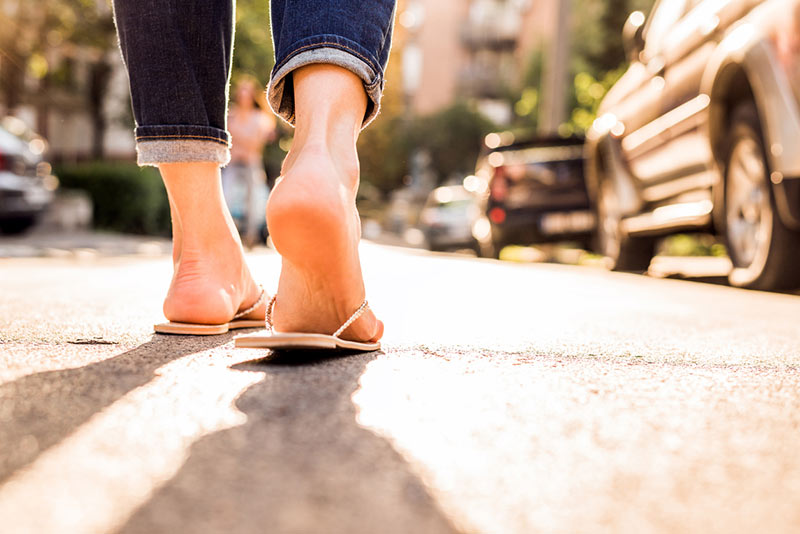
The footwear decisions made in summer have a direct and measurable impact on foot health. Flip flops and flat sandals worn for extended periods force the plantar fascia and intrinsic foot muscles to work far harder than they are designed to without structural support beneath the arch. For patients with flat feet, high arches, or a prior history of plantar fasciitis or Achilles pathology, prolonged flat footwear is not a casual inconvenience, it is a reliable injury trigger.
Custom orthotics prescribed through IBJI's podiatry team provide the individualized arch support and biomechanical correction that over-the-counter insoles cannot replicate, and they can be fitted to a wide range of summer footwear to maintain protection across the entire season without sacrificing the sandals.e.
When Summer Foot Pain Requires Professional Evaluation
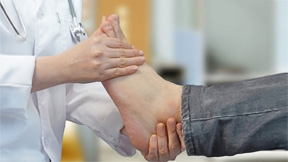
Soreness after a long day on your feet is expected. Foot pain that persists beyond 48–72 hours of rest, worsens progressively with activity, is associated with swelling or bruising, involves a visible nail or skin change that is not resolving, or significantly limits your ability to walk, run, or participate in summer activities warrants formal evaluation rather than another week of hoping it improves on its own.
IBJI's podiatry team provides comprehensive evaluation and treatment for the full spectrum of summer foot and ankle conditions, from plantar fasciitis and stress fractures to fungal infections, ingrown nails, and structural deformity. On-site digital imaging allows same-day diagnosis for acute presentations, and physical and occupational therapy is available on-site to support rehabilitation for conditions requiring structured recovery.
For acute foot and ankle injuries that occur during summer sport or activity, OrthoAccess® Immediate Care walk-in clinics provide same-day orthopedic assessment at a fraction of emergency room cost, with no appointment required and orthopedic specialists on-site from the moment you walk through the door.
Protect Your Summer by Protecting Your Feet
Summer foot problems do not resolve themselves on a predictable timeline, and many of the conditions that begin as minor discomfort in June are the chronic, difficult-to-treat complaints that arrive in orthopedic clinics in September. The window between early symptoms and structural damage is real, and acting within it consistently produces better outcomes.
Schedule an appointment with IBJI's podiatry team today before a manageable summer foot problem becomes a season-ending one.
Reference Links:
About the Author
Scott Jacobsen, DPM is a podiatric surgeon who has particular experience in treating sports injuries, heel pain, diabetic wounds and performing joint replacement surgery. Dr. Jacobsen provides the latest forms of treatment, including minimally invasive heel pain surgery, new plate and screw technologies and new implants, all of which speed recovery times. He takes his time to understand symptoms and give correct diagnoses to ensure the continued health of all his patients.
*This content is for information only and is not intended to replace the diagnosis, treatment, or medical advice from your treating healthcare professionals. The content does not provide medical advice, does not constitute the practice of medicine or other healthcare professional services, and does not create a doctor-patient relationship. You should not rely on this information as a substitute, nor does it replace professional medical advice, diagnosis, or treatment. If you have concerns or questions, seek the advice of your healthcare professionals. If you think you may have a medical emergency, call your doctor or 911 immediately. Do not rely on electronic communications or communicate through this website for immediate, urgent medical needs. This website is not designed to facilitate medical emergencies. The use of the information is at the reader’s own risk. The links are provided for information and convenience only. We cannot accept responsibility for the sites linked or the information found here. A link does not imply an endorsement of a site.